

Living in Glasgow means being well-acquainted with the unpredictable nature of Scottish weather. From the biting winds coming off the Clyde to the persistent drizzle that seems to settle in for weeks, our homes are our sanctuaries. At the heart of that sanctuary is the central heating system. When the temperature drops, you don’t just want a boiler that works; you need one that operates efficiently and reliably. Many homeowners only think about their heating when it fails, usually on the coldest morning of the year. Taking a proactive approach to boiler installation Glasgow can save you from those frantic emergency calls and the discomfort of a freezing living room.
Modernising your heating system is about more than just avoiding a breakdown. Older boilers, even those that seem to be running fine, often work at a fraction of the efficiency of modern condensing models. In a city where the heating might stay on for six or seven months of the year, those efficiency gaps translate into significant sums of money being wasted. Upgrading to a new system is an investment in your property’s infrastructure that pays dividends in both comfort and reduced monthly outgoings.
Picking the right system for your specific home layout
Glasgow has a diverse range of housing, from the iconic red and blond sandstone tenements of the West End to the sprawling detached homes in areas like Newton Mearns or the modern apartments in the Merchant City. Each of these property types has unique heating requirements. Choosing the right boiler isn’t a one-size-fits-all situation; it requires an understanding of your water usage, the number of bathrooms you have, and the available space for the unit itself.
The rise of the combination boiler
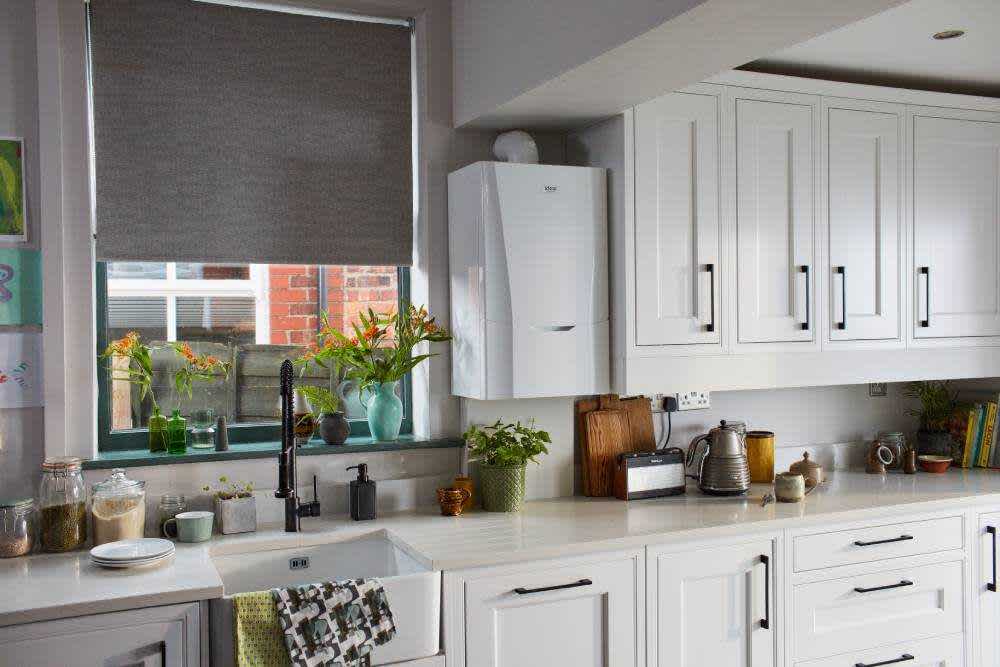
For many residents in Glasgow, especially those living in flats or smaller terraced houses, the combination (combi) boiler is the most popular choice. These units provide heat for your radiators and hot water on demand without the need for a bulky water tank in the loft or a cylinder in a cupboard. They are compact, which is a major advantage when you are trying to maximise space in a city-centre apartment. Because they only heat the water you actually use, they are incredibly efficient for smaller households.
Why larger homes still benefit from system boilers
If you live in a larger family home with multiple bathrooms, a combi boiler might struggle to keep up if two people are showering at the same time. This is where system boilers or traditional regular boilers come into play. These systems use a separate cylinder to store hot water, ensuring a steady supply to various taps simultaneously. When planning your boiler installation Glasgow, a professional surveyor will look at your peak hot water demand to ensure you don’t end up with a system that leaves someone with a cold shower just because the kitchen tap was turned on.
What the process of boiler installation Glasgow actually looks like
The idea of having engineers in your home, pulling up floorboards or draining pipes, can feel daunting. However, a professional installation is a well-oiled process designed to minimise disruption. Understanding the steps involved can help you prepare and feel more at ease with the transition.
- The Initial Site Survey: A qualified engineer will visit your home to assess your current setup, check the gas pressure, and discuss your heating needs. This is the time to ask questions about smart thermostats or radiator upgrades.
- System Flush: Before the new boiler is fitted, it is vital to clean the existing pipework. A power flush removes sludge and debris that has built up over years, ensuring your new boiler isn’t immediately contaminated by old grit.
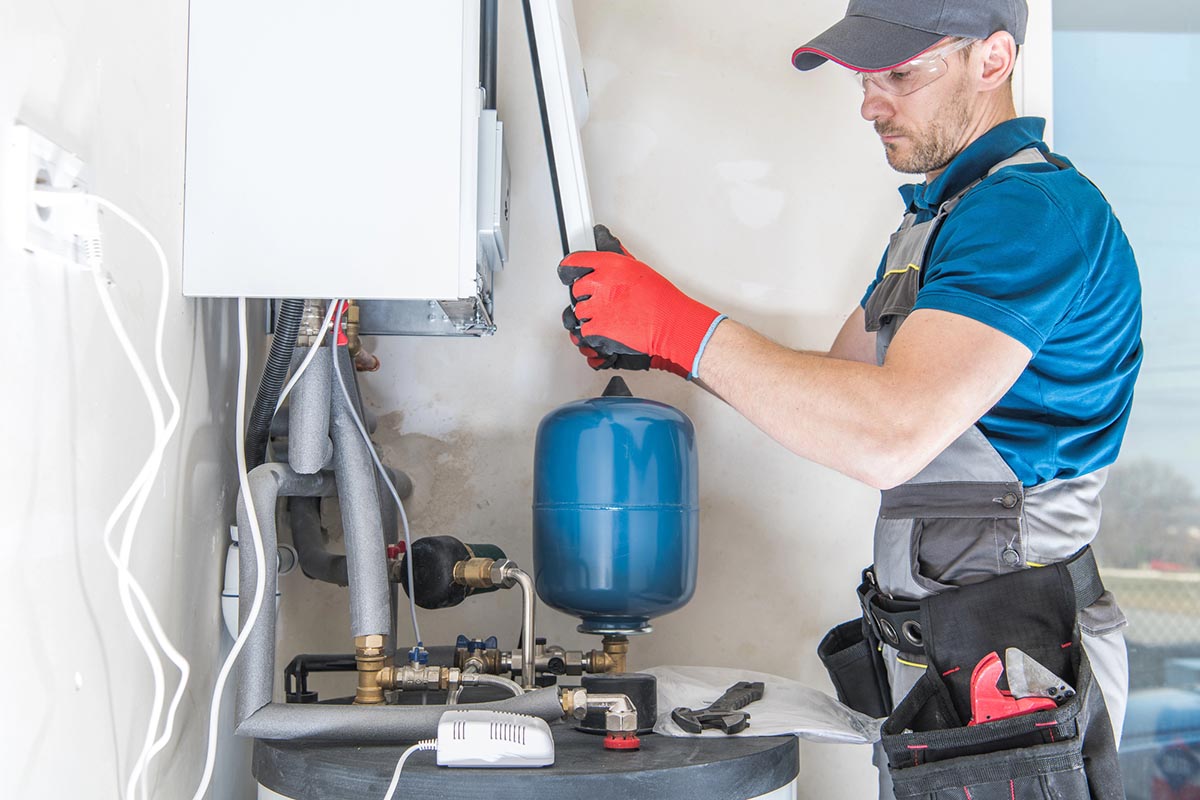
- The Fitting: The old unit is decommissioned and removed. The new boiler is then mounted, and the necessary pipework is connected. This often includes installing a new flue to meet current safety regulations.
- Testing and Commissioning: Once installed, the system is rigorously tested. The engineer will check for gas tightness, ensure the radiators are balancing correctly, and verify that the flue is venting safely.
- Handover: You should receive a full walkthrough of how to use your new controls. Modern boilers often come with digital programmers or smartphone integration, and the engineer will ensure you feel confident using them.
Making sense of energy efficiency and your monthly bills
One of the primary drivers for a new boiler installation is the desire to lower energy bills. Most older boilers are ‘non-condensing,’ meaning a lot of the heat they produce literally goes up the chimney. Modern condensing boilers are designed to capture that latent heat and recycle it back into the system. This jump in efficiency can be as high as 20% to 30%. When you consider the rising costs of energy, those percentages represent a substantial saving over the course of a year.
In addition to the boiler itself, the way you control your heating plays a massive role in efficiency. Smart thermostats, such as Hive or Nest, allow you to manage your home’s temperature from your phone. You can turn the heating off if you’re stayed late at work or boost the temperature so the house is warm just as you arrive home. Integrating these technologies during your installation is the best way to future-proof your home and keep your carbon footprint as low as possible.
Navigating the unique challenges of Glasgow properties
Glasgow’s architecture presents some specific challenges when it comes to heating. In older tenements, the thick stone walls are excellent at retaining heat once they are warm, but they can be difficult to heat up initially. Furthermore, the plumbing in these older buildings often requires careful handling. A professional team experienced in the local area will know how to manage the varying water pressures found across different parts of the city, from the high-pressure zones to the areas where the Victorian-era mains might need a little extra help.
Another consideration is the placement of the flue. In many Glasgow flats, the boiler is located in the centre of the building, meaning the flue has to travel a significant distance to reach an external wall. Current safety regulations are much stricter than they were twenty years ago, so your installer might need to suggest a new location for the boiler to ensure it meets all legal requirements and operates safely for everyone in the building.
The importance of Gas Safe registration
It cannot be stressed enough: any gas work must be carried out by a Gas Safe registered engineer. This isn’t just a recommendation; it is a legal requirement designed to keep you and your neighbours safe. A poorly installed boiler can lead to gas leaks or, even more dangerously, carbon monoxide poisoning. When you book your installation, always ask to see the engineer’s Gas Safe ID card. This card lists the specific types of gas work they are qualified to do. A reputable local firm will be more than happy to provide this information and will often be able to show you a portfolio of successful installations they have completed across the city.
Beyond safety, using a registered professional ensures that your manufacturer’s warranty remains valid. Most high-end boiler brands, such as Worcester Bosch or Vaillant, offer extended warranties that can last up to ten or twelve years, but these are almost always conditional on the unit being installed by a certified professional and serviced annually. This long-term protection provides peace of mind, knowing that if anything does go wrong, you are covered for both parts and labour without unexpected costs.
Maintaining your new system is the final piece of the puzzle. Once the installation is complete, setting up an annual service schedule is the best way to ensure the unit continues to run at peak efficiency. During a service, an engineer can spot minor issues before they turn into expensive repairs, keeping your home warm and your energy bills predictable for years to come. Whether you are dealing with a failing old unit or simply want to upgrade to a more eco-friendly system, taking the time to plan your installation correctly is the best way to handle the Glasgow winter with confidence.
Related Posts
Nothing found.